
<>
“`
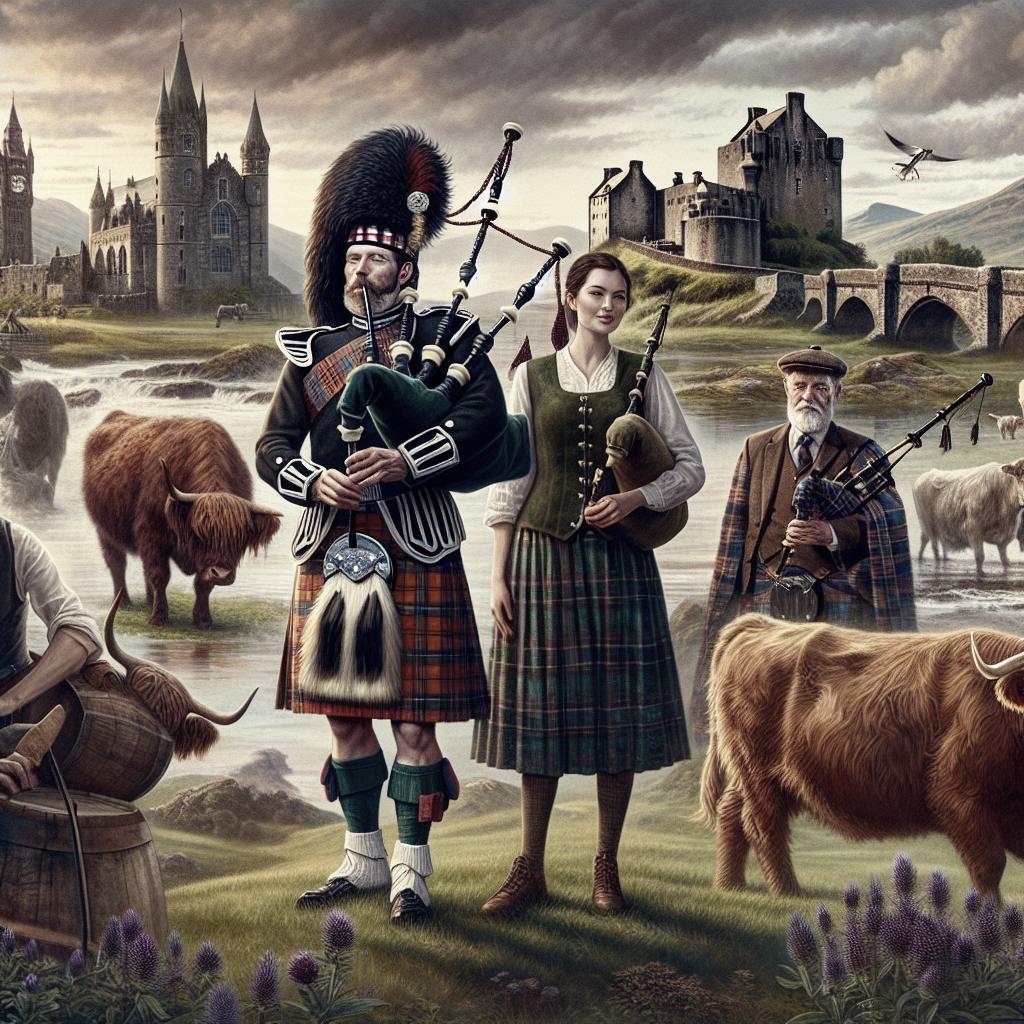
Scotland’s rich cultural tapestry is woven with threads of history, art, language, and traditions. This article delves into the significant contributors to Scottish culture, from daily life and social customs to the vibrant arts scene. Additionally, it explores aspects like the Gaelic language and the iconic Highland Games. By examining these elements, we gain a comprehensive understanding of the unique and enduring influence of Scottish heritage. Whether you’re planning a visit, studying the culture, or simply curious, this guide provides valuable insights into what makes Scotland distinct.
Daily life and social customs
Daily life in Scotland is steeped in a blend of tradition and modernity. The Scots are known for their hospitality and warmth, often enjoyed over a hearty meal or a pint in a local pub. Family and community play crucial roles in social customs, with many gatherings centered around traditional foods like haggis, shortbread, and the famous Scottish breakfast. These meals are not just about sustenance but are key opportunities for social interaction and bonding.
Social customs also include a myriad of festivals and events that punctuate the Scottish calendar. Hogmanay, the Scottish New Year’s celebration, is famous worldwide for its vibrant street parties and festive spirit. Additionally, Burns Night, commemorating the poet Robert Burns, is celebrated with recitations of his work, traditional Scottish music, and a meal featuring haggis, neeps, and tatties. These events reflect the communal and joyous nature of Scottish life.
The arts
Scotland boasts a rich artistic heritage that spans various forms, including literature, music, and visual arts. The literary tradition is particularly strong, with notable figures like Sir Walter Scott, Robert Louis Stevenson, and contemporary authors like Irvine Welsh contributing to a diverse literary landscape. Scottish literature often explores themes of identity, history, and social issues, resonating well beyond its borders.
In the realm of music, Scotland’s contributions are equally profound. The traditional sounds of bagpipes and folk music are celebrated globally, particularly in cultural events like the Edinburgh Festival. This festival, one of the world’s largest arts festivals, showcases a plethora of performances ranging from theater and comedy to music and dance, attracting artists and audiences from around the world. The visual arts also flourish, with the Scottish National Gallery and numerous local galleries displaying works from both historic and contemporary Scottish artists.
Get to know about Scottish Culture & Heritage
Scotland’s culture and heritage are inextricably linked to its history and geographic diversity. The country’s past, from clan battles and royal intrigue to the Enlightenment, has left an indelible mark on its modern identity. Castles, monuments, and historic sites scattered across the landscape offer tangible connections to these bygone eras.
Heritage in Scotland is not just preserved in museums but is a living part of everyday life. This is evident in the resurgence of interest in traditional crafts, storytelling, and oral history projects that seek to keep the voices of past generations alive. Scotland’s urban and rural areas alike offer a rich tapestry of experiences that blend the old with the new, making it a dynamic and engaging place to explore.
Gaelic Language:
The Gaelic language is a foundational element of Scottish culture, though its usage has waned over the centuries. Once the dominant language of Scotland, Gaelic still holds a significant cultural and symbolic role. Efforts to revitalize and preserve the language are ongoing, with schools and media catering to Gaelic speakers growing in number. Additionally, events such as the Royal National Mòd celebrate Gaelic music, dance, and literature, fostering greater awareness and appreciation.
Learning Gaelic offers a unique way to connect deeply with Scottish heritage. For many Scots, the language is a crucial link to their ancestry and an expression of national pride. The linguistic landscape of Scotland, while predominantly English today, thrives on the presence of Gaelic, reflecting the country’s commitment to its linguistic roots.
Highland Games:
The Highland Games are a quintessentially Scottish tradition, combining athletic prowess, cultural celebration, and community spirit. These events attract participants and spectators from around the globe, eager to experience the unique competitions such as caber tossing, hammer throwing, and tug-of-war. The games also feature music, dance, and displays of traditional Scottish clothing, notably kilts and sporrans.
Held throughout the summer, the Highland Games offer more than just spectacle; they are a vital part of Scotland’s cultural calendar. They provide a tangible link to the nation’s past while also fostering a sense of community and continuity. For many Scots, the games are an annual highlight, embodying the resilience, strength, and camaraderie of Scottish society.
Still have Questions?
If you’re still curious about Scottish culture and its contributors, there are ample resources available. From books and documentaries to visits to Scotland itself, immersing oneself in the culture can be immensely rewarding. Museums, cultural centers, and heritage sites provide detailed and engaging ways to learn more about Scotland’s rich history and vibrant cultural traditions.
Online forums and social media groups also offer platforms for discussion and discovery. Engaging with communities of Scottish heritage enthusiasts can enhance your understanding and appreciation of this unique culture. Never hesitate to ask questions and seek out new information; the journey to understanding Scottish culture is as enriching as the knowledge itself.
People Also Ask!
Exploring Scottish culture often leads to a multitude of questions. Common inquiries might include the origins of kilts, the significance of certain festivals, or the history behind popular Scottish foods. Each question opens a door to a deeper understanding of the complexities and fascinations of Scottish life.
For those newly acquainted with Scottish culture or even those steeped in it, the continuous learning and exploration of its rich traditions provide endless opportunities for engagement and understanding. Websites, cultural organizations, and educational resources are valuable tools for answering these questions and fostering a lifelong appreciation of Scotland’s heritage.
Summary of main points
| Category | Highlights |
|---|---|
| Daily life and social customs | Hospitality, traditional meals, Hogmanay, Burns Night |
| The arts | Literature (Sir Walter Scott, Irvine Welsh), music (bagpipes, Edinburgh Festival), visual arts (Scottish National Gallery) |
| Scottish Culture & Heritage | History linked to geography, traditional crafts, storytelling |
| Gaelic Language | Efforts to revitalize, cultural significance, connections to ancestry |
| Highland Games | Athletic competitions, cultural celebration, community engagement |
| Still have Questions? | Resources, forums, continued exploration |
| People Also Ask | Origins of kilts, festival significance, history of foods |
“`

